NBA Steals and Blocks Props: Pricing Defensive Event Markets
 Available in US
Two steals. That is all I needed from Marcus Smart to cash a 4-leg parlay a few seasons back. He finished with one. The next night, he picked up four steals in a game I had not touched. Welcome to defensive props – where the most frustrating market in NBA betting also hides some of the sharpest value if you know where to look.
After nine years specialising in player props for UK bettors, I have developed a complicated relationship with steals and blocks. These markets test your patience unlike any other. But they also attract less sophisticated money, which means pricing inefficiencies persist longer than in mainstream markets like points or rebounds.
Evaluating Defensive Event Probability in Prop Betting
The average NBA sportsbook offers more than 50 markets per game now, and steals props have become a standard inclusion. The format mirrors other player props: you bet over or under a set line, typically 0.5, 1.5, or 2.5 steals depending on the player.
What makes steals fundamentally different is their opportunistic nature. Unlike points, which a player can actively pursue through shot creation, steals require specific circumstances to arise. The opponent must turn the ball over in a way that allows a defensive player to intercept or strip it. Elite defenders can position themselves advantageously, but they cannot force steal opportunities into existence.
League leaders typically average around 1.5-2.0 steals per game. Most players who see regular steals props offered sit in the 1.0-1.5 range. These numbers look small, but the difficulty of accumulating steals makes even modest lines challenging to clear consistently. A player averaging 1.3 steals per game will finish with zero steals more often than you might expect – sometimes 30-40% of his games.
I look at steals props through a different lens than scoring markets. Here, I am betting on opportunity and positioning more than skill. Yes, some players possess superior anticipation and quick hands. But even the best steal artist needs passes thrown in his direction, ball-handlers who can be pressured into mistakes, and teammates who funnel opponents toward his area of the court.
How Blocks Props Work
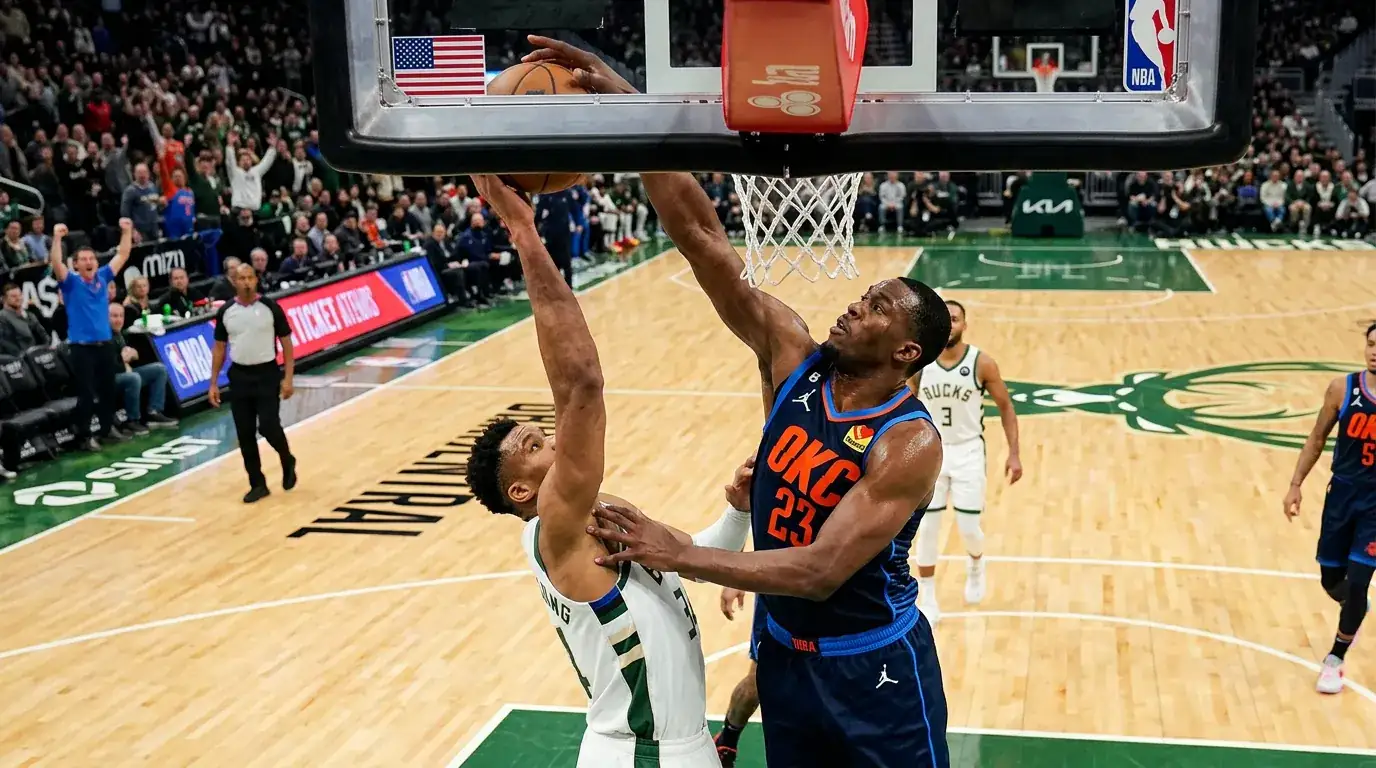
Blocks props function similarly to steals in structure but differently in execution. Where steals can come from any position, blocks concentrate heavily among frontcourt players. Centres and power forwards dominate this category, with perimeter players rarely offering bet-worthy block opportunities.
The top shot-blockers average 2.5-3.5 blocks per game. Secondary rim protectors typically sit around 1.0-1.5, while most wings and guards hover near 0.5 or below. Sportsbooks usually offer lines of 0.5, 1.5, or 2.5 blocks for players with meaningful blocking ability.
Unlike steals, blocks have a somewhat more predictable element. Elite rim protectors patrol the paint and deter drives – opponents must challenge them near the basket for block opportunities to materialise. This gives blockers more agency than steal artists. A centre can position himself to protect the rim on every defensive possession. A steal specialist can only take what the offence gives him.
That said, blocks still carry substantial variance because they depend on opponents driving into the paint rather than settling for jump shots. A team that hoists threes all game gives rim protectors nothing to block. Game script also matters – blowouts see reduced effort and intensity that lower block totals for everyone involved.
Understanding High Variance in Defensive Stats
Here is a number that changed how I think about defensive props: most NBA players record zero steals or zero blocks in approximately 35-45% of their games. Even elite defenders blank in a third of their contests. This reality should anchor every defensive prop bet you consider.
The mathematical distribution of steals and blocks follows patterns closer to rare events than normal distributions. Points props might see a player score 18-22 points in most games with occasional outliers. Steals and blocks cluster at zero far more frequently, with occasional spike games that distort averages.
I have tracked my defensive prop results separately from other markets for years. The win rate fluctuates wildly month to month in ways that points and rebounds never do. A 60% win rate over 200 steals bets dropped to 45% the following quarter despite identical methodology. Eventually it regressed back toward positive territory. This variance demands different bankroll management and emotional preparation.
The upside of high variance is that sharp money avoids these markets more than others. Recreational bettors focus on scoring props where outcomes feel more controllable. This leaves defensive markets less efficiently priced, with edges persisting longer for those willing to endure the swings.
Player Profiles Worth Targeting
Not all defensive players offer equal betting value. Over nine years, I have identified specific profiles that present consistent opportunities in steals and blocks markets.
For steals, I favour guards who pressure the ball full-court or play passing lanes aggressively. These players generate steal opportunities through active positioning rather than waiting for mistakes to happen. Look for players with high defensive box plus-minus ratings who also log significant minutes – playing time matters because steals accumulate over possessions.
Matchup context elevates certain players situationally. Point guards facing turnover-prone opponents see elevated steal potential. Defenders guarding rookies or players known for sloppy ball-handling gain extra opportunities. Teams that force high turnover rates as a unit tend to distribute those steals among their most active perimeter defenders.
For blocks, I target rim protectors facing opponents who attack the paint frequently. Centres matching up against driving guards or undersized lineups see more block opportunities than those facing jump-shooting opponents. The ideal target plays heavy minutes for a team with a scheme that funnels drivers toward the basket rather than forcing contested perimeter shots.
I also watch for fatigue and motivation factors that other bettors overlook. A rim protector facing his former team might give extra effort contesting shots. A veteran defender in a contract year often posts elevated defensive numbers. These soft factors do not guarantee results but they shift probability enough to matter.
Steals and Blocks Props FAQ
Are steals props worth betting?
Steals props offer value for patient bettors willing to accept high variance. The opportunistic nature of steals means results swing dramatically game to game, but less sophisticated money in this market creates pricing inefficiencies. Focus on players with high steal rates facing turnover-prone opponents, and size bets smaller than you would for points or rebounds props.
Which players are best for blocks props?
Elite rim protectors averaging 2+ blocks per game offer the most consistent opportunities. Look for centres who anchor their team’s paint defence and face opponents who attack the basket frequently. Matchup matters enormously – a great shot-blocker facing a jump-shooting team will see reduced opportunities regardless of his ability.
Why are defensive props high variance?
Defensive statistics depend on opponent behaviour more than player skill. A steal requires a turnover to intercept; a block requires a shot attempt near the rim. Elite defenders can position themselves advantageously but cannot create opportunities independently. This dependence on external factors produces wide game-to-game fluctuations that other prop markets do not experience.
Navigating Defensive Markets Successfully
My approach to defensive props has evolved toward selectivity over volume. Rather than betting steals and blocks daily, I wait for optimal matchups where opportunity and ability align. A steal specialist facing a careless ball-handler. A rim protector matched against a team that lives in the paint. These situations arise several times per week during a full NBA season – not every night.
The patience required for defensive props mirrors the patience these players themselves exercise. They do not chase every ball or contest every shot. They wait for the right moment, then strike decisively. Your betting approach should mirror that discipline. Let the mediocre spots pass. Strike when probability tilts in your favour. And never forget that even perfect analysis produces zero steals or zero blocks more often than casual observation suggests.
Prepared by the nba Bets Props editorial staff.