NBA Props Alternate Lines: Customizing Risk and Payout Odds
 Available in US

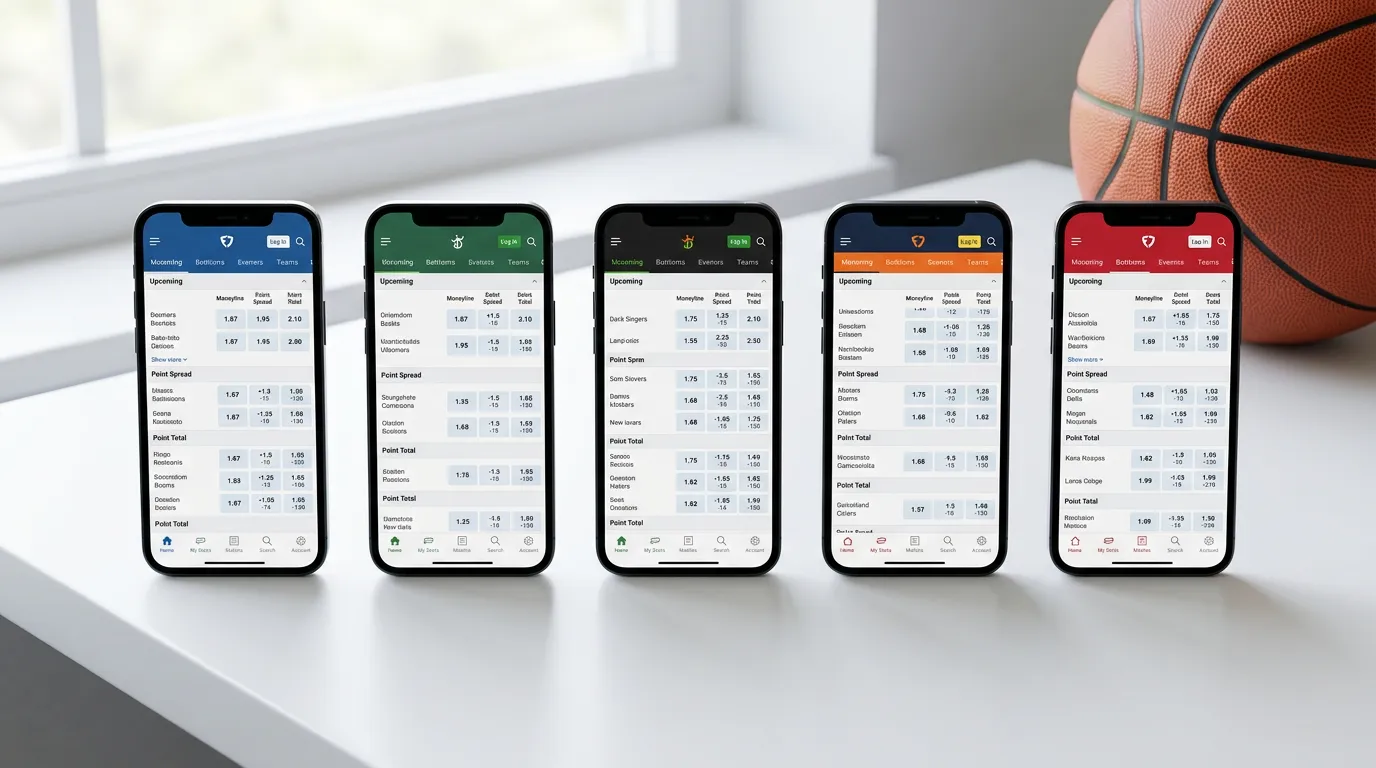
The average NBA sportsbook offers over 50 markets per game including player props, but that number understates the actual variety available. Beyond standard lines, most operators offer alternate lines – different thresholds at adjusted odds. A player might have a standard points line at 22.5 (-110 both sides) plus alternates at 18.5 (-200), 20.5 (-150), 24.5 (+130), and 26.5 (+180). These alternates create opportunities to express specific views that standard lines do not accommodate.
I ignored alternate lines for years, viewing them as gimmicks designed to trap bettors into bad juice. That perspective was partially correct but incomplete. Alternates do carry worse expected value on average compared to standard lines. But in specific situations, alternates provide the right tool for a job that standard lines cannot handle. Understanding when alternates make sense requires understanding what you are actually trying to bet.
Pricing Alternate Line Payouts at UK Sportsbooks
Alternate lines offer different point thresholds than the standard prop line, with odds adjusted to reflect changed probability. Lower thresholds for overs come with worse (more negative) odds because they are easier to hit. Higher thresholds for overs come with better (more positive) odds because they are harder to hit. The relationship inverts for unders.
Sportsbooks set alternate odds using the same probability models underlying standard lines, then apply margin. If their model estimates 35% probability of a player scoring 26+ points, they might offer the 26+ alternate at +175 (implying about 36% probability after margin). The margin on alternates is typically wider than on standard lines.
The range of alternates varies by sportsbook and by player. Star players often have extensive alternate ranges – perhaps ten different point thresholds. Role players might have only two or three alternates, or none at all. Markets with less volume receive less attention, so alternates are less common there.
Same-game parlays often use alternates to construct specific scenarios. You might combine an alternate points over at a higher threshold with a team win bet, constructing a parlay that captures “this player scores big in a victory” without betting multiple correlated legs at standard odds.
When Alternates Add Value
Strong conviction scenarios benefit from alternates. If you believe a player will massively exceed his standard line – not just beat it but crush it – an alternate at a higher threshold offers better payout when you are proven right. Standard lines do not reward the magnitude of your accuracy, only its direction.
Hedging situations use alternates to lock in guaranteed profit or limit maximum loss. If you have a parlay that needs one leg to complete, you might bet an alternate on the opposite side at a threshold that creates a middle opportunity – winning both bets if the player finishes in a specific range.
Cash flow management sometimes favours alternates. A lower-threshold alternate at heavy juice (-200 or worse) wins more frequently than standard lines, which can smooth variance even if expected value is worse. Some bettors prefer consistent small wins over volatile bigger ones, and alternates accommodate that preference.
Prop correlation plays can use alternates to express linked views. If you believe a player will dominate usage due to teammate absences, an alternate points over combined with an alternate assists under (at appropriate thresholds) expresses “this player scores a lot but does not pass because he is doing everything himself” more precisely than separate standard bets.
When to Avoid Alternates
Margin erosion makes alternates bad default choices. The wider margins on alternates mean you lose more to the house on each bet compared to standard lines. Unless you have a specific reason to use alternates, standard lines offer better expected value.
Recreational temptation leads bettors toward alternates for the wrong reasons. Plus-money odds feel more exciting than -110, encouraging bets on high alternates without appropriate justification. The thrill of potential big payout should not drive betting decisions – probability-adjusted expected value should.
Small edges disappear in alternate margins. If your edge on a standard line is 3-4%, the wider alternate margin might consume that edge entirely. Alternates require larger edges to remain profitable compared to standard lines. Only use them when your conviction is strong enough to justify the extra margin.
Parlaying alternates compounds margin problems. Each alternate leg carries wider margin than its standard equivalent. A three-leg parlay of alternates loses substantially more to juice than a three-leg parlay of standard lines. The extra margin accumulates multiplicatively.
Finding and Comparing Alternates
Not all sportsbooks offer the same alternate ranges. Some operators provide extensive alternates across many players; others offer limited selections. If alternates are part of your betting approach, shop for operators with robust alternate offerings.
Alternate pricing varies between sportsbooks more than standard line pricing. One operator might offer 24.5 points at +130 while another offers the same threshold at +150. This variation creates shopping opportunities specifically in alternate markets.
Compare alternate odds to standard odds to assess marginal value. If a standard line is 22.5 at -110 and the 24.5 alternate is +130, calculate whether the probability shift justifies the odds shift. Sometimes alternates offer relatively better value than their threshold change would suggest; sometimes they offer worse.
Use probability models to evaluate alternates systematically. If you estimate 58% probability of over 22.5 points, extend your model to estimate probability of over 24.5, over 26.5, etc. Compare these estimates to implied probabilities from alternate odds to identify where value might exist.
NBA Props Alternate Lines FAQ
What are alternate lines in NBA props?
Alternate lines offer different thresholds than the standard prop line at adjusted odds. A player with a 22.5 standard points line might have alternates at 18.5, 20.5, 24.5, and 26.5 with odds reflecting changed hit probability. These alternates let you bet on specific thresholds that standard lines do not provide.
Are alternate lines worth betting?
Alternates carry wider margins than standard lines, making them worse expected value on average. However, they add value in specific situations: strong conviction plays, hedging scenarios, cash flow management, and correlated prop combinations. Use alternates when you have specific strategic reasons, not as default choices.
How do alternate odds work?
Odds adjust based on threshold probability. Lower over thresholds carry worse odds (heavy favourites) because they are easier to hit. Higher over thresholds carry better odds (underdogs) because they are harder to hit. The relationship inverts for unders. Sportsbooks apply margin on top of probability-based pricing.
Strategic Alternate Usage
Alternates are tools for specific situations, not replacements for standard betting. Think of them as precision instruments rather than everyday equipment. When a standard line does not match your view – when you have strong conviction about magnitude rather than just direction – alternates let you express that view more accurately.
Track your alternate betting results separately from standard line results. Over time, you will see whether your alternate usage generates positive returns or whether the wider margins consume your edge. This data informs how much you should rely on alternates going forward. Without tracking, you cannot know if your alternate strategy works.
Most of my betting uses standard lines because they offer better expected value in typical situations. But perhaps 10-15% of my bets use alternates strategically for hedges, high-conviction plays, or parlay construction. That selective usage captures alternates’ benefits without suffering their margin costs unnecessarily. Approach alternates the same way – as occasional tools rather than routine choices.
Before placing any alternate bet, ask yourself why this threshold rather than the standard line. If you cannot articulate a clear reason, bet the standard line instead. Alternates should solve specific problems or express specific views – not simply offer the emotional appeal of different odds. Discipline in this question prevents the margin erosion that makes alternates problematic for many bettors.
Written by the editors at nba Bets Props.