NBA Back-to-Back Props: Betting on Schedule Dynamics
 Available in US
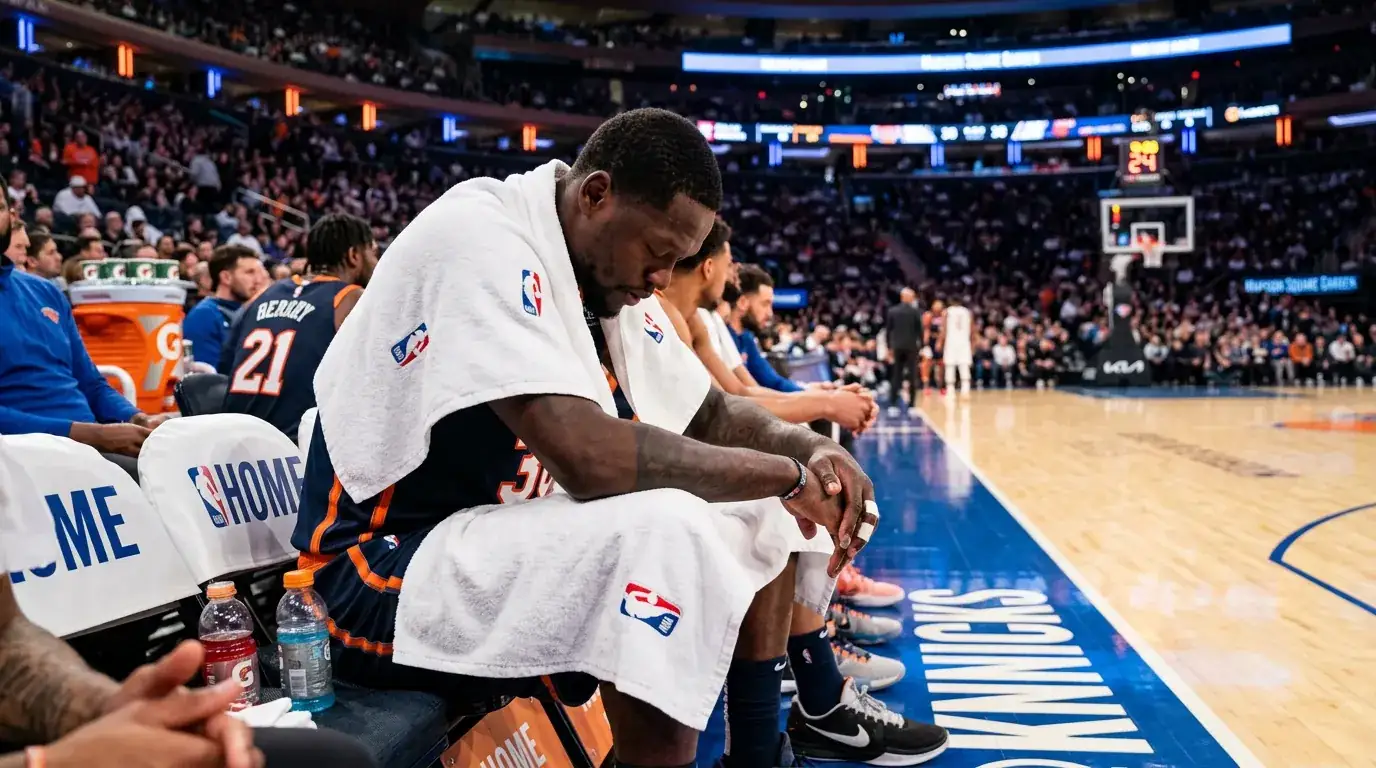
Three years ago I tracked every back-to-back game across an entire NBA season. The results confirmed what I suspected: fatigue effects are real, measurable, and consistently underpriced by sportsbooks. But the story is more nuanced than simply betting unders on tired players. Some stats drop predictably while others hold steady. Understanding which is which separates informed bettors from those guessing based on intuition.
NBA scheduling creates roughly 13-15 back-to-back sets per team each season. That is over 400 games across the league where fatigue factors significantly into performance. For UK bettors analysing slates, back-to-back situations deserve automatic attention – not because they always offer value, but because they create conditions where market inefficiencies cluster.
Factoring Player Fatigue into NBA Prop Bets
Basketball betting continues to grow faster than any other sport category heading into 2030, and the increasing sophistication of bettors has made basic fatigue angles less profitable than they once were. But the underlying physiological effects remain constant regardless of market efficiency.
Shooting percentages drop on the second night of back-to-backs. The effect is modest – roughly 1-2 percentage points on average – but it accumulates across shot attempts. A player taking 18 shots at 45% field goal percentage averages about 8 makes. Drop that percentage to 43% and he averages closer to 7.7 makes. That quarter-point difference in expected makes can swing a tight points line.
Effort-dependent stats suffer more than skill-dependent ones. Defensive intensity wanes when legs are tired. Players contest fewer shots, close out slower on shooters, and give up more driving lanes. Steals and blocks – already high-variance categories – become even less predictable on back-to-back nights because the energy required to generate them often is not there.
Assist numbers actually hold relatively steady on back-to-backs in my tracking. Passing does not require the same explosive effort as driving or defending. Point guards who distribute effectively tend to maintain similar assist rates regardless of rest status. Their shooting might suffer, but their court vision and decision-making remain intact.
Load Management and Rest Decisions
The modern NBA has embraced load management as teams prioritise player health over regular season results. Stars increasingly sit the second night of back-to-backs, especially late in the season or when minor injuries linger. This trend creates opportunities and complications for props bettors.
When stars rest, their props void entirely and your bet is cancelled. But the ripple effects on remaining players create betting opportunities similar to injury situations. Backups see elevated minutes. Secondary scorers absorb shot attempts. Understanding these cascading effects lets you bet players whose props have not adjusted fully to the new context.
Predicting who will rest requires attention to team tendencies and player circumstances. Some franchises embrace load management aggressively; others play stars through fatigue. Players with chronic conditions like knee issues rest more frequently than healthy counterparts. Age matters – veterans over 30 rest more often than young stars hungry to prove themselves.
I check injury reports carefully for back-to-back situations. A player listed as questionable for the second game often ends up resting even if technically healthy enough to play. Teams protect assets when convenient schedule spots allow recovery time. Betting early on back-to-back props carries elevated risk that your target simply will not play.
Which Props Are Most Affected
Points props show consistent fatigue effects. Scoring requires offensive creation, shot attempts, and finishing – all effort-intensive activities that suffer when legs tire. Expect roughly 1-2 points of downward pressure on scoring averages for the second game of back-to-backs. This effect magnifies for high-usage players who carry heavy offensive loads.
Rebounding props prove trickier. Offensive rebounding effort tends to decrease with fatigue – players are less likely to crash the glass when tired. But defensive rebounding often holds steady because players position themselves for boards rather than pursuing them aggressively. The net effect varies by player style. Glass-crashers see bigger drops than positional rebounders.
Three-pointer props warrant extra caution on back-to-backs. Shooting touch depends on leg strength and lift, both of which degrade with fatigue. Even elite shooters see percentage drops that translate to fewer made threes per game. Combined with the already high variance of three-point props, back-to-back fatigue adds another layer of unpredictability.
Assist props remain the most stable category through fatigue. Playmakers who see the floor well continue seeing it regardless of rest status. Their passes reach the same targets with similar timing. If anything, reduced scoring efficiency from teammates might slightly depress assists as shots miss more often, but the effect is marginal.
When Rested Teams Have the Advantage
The flip side of back-to-back analysis involves teams coming off multiple rest days. Players with three or more days of rest typically perform above baseline, creating opportunities to bet overs on rested players facing fatigued opponents.
Rest advantages compound when one team is rested while the other plays a back-to-back. This schedule mismatch creates meaningful performance differentials. The rested team often dominates, which can lead to blowouts that reduce minutes for starters on both sides. Consider the pace and blowout implications when evaluating rest edges.
Travel factors into rest calculations beyond simple days off. A team that flew cross-country after a game faces fatigue beyond what the schedule shows. West coast teams playing early East coast games deal with body clock disruptions. International trips at season start create unique fatigue patterns. These hidden rest factors do not appear on standard schedules but matter for props projections.
Back-to-Back Props FAQ
Do players score less on back-to-backs?
Yes, scoring typically drops 1-2 points per game on average for the second night of back-to-backs. The effect stems from decreased shooting efficiency as fatigue affects leg strength and lift. High-usage scorers show larger drops because they carry heavier workloads. However, markets often price this in, so value depends on whether the adjustment is sufficient.
How does load management affect props?
Load management causes stars to sit back-to-back games entirely, voiding their props. This creates opportunities on backup and secondary players who absorb additional minutes and usage. Predicting rest decisions requires monitoring injury reports, team tendencies, and player circumstances. Betting early on back-to-back props carries risk that your target will not play.
Should I bet unders on fatigued players?
Blanket under betting on back-to-backs oversimplifies the analysis. Points and three-pointer props show reliable fatigue effects worth considering for unders. Rebounds depend on player style. Assists remain relatively stable. Markets have improved at pricing fatigue, so value requires identifying situations where the adjustment falls short rather than assuming all unders are profitable.
Integrating Fatigue Into Your Framework
My approach treats back-to-backs as a filter rather than a primary betting thesis. I identify games where one team faces fatigue, then analyse whether specific props are mispriced given that context. The fatigue factor layers onto normal analysis – matchup quality, pace expectations, injury situations – rather than replacing it.
For UK bettors, back-to-back situations often involve late-night games where the fatigued team’s first game occurred the previous evening. Checking yesterday’s schedule reveals which teams enter tonight’s slate on tired legs. That five-minute schedule check can highlight the best spots for fatigue-adjusted analysis before you dive into individual player research.
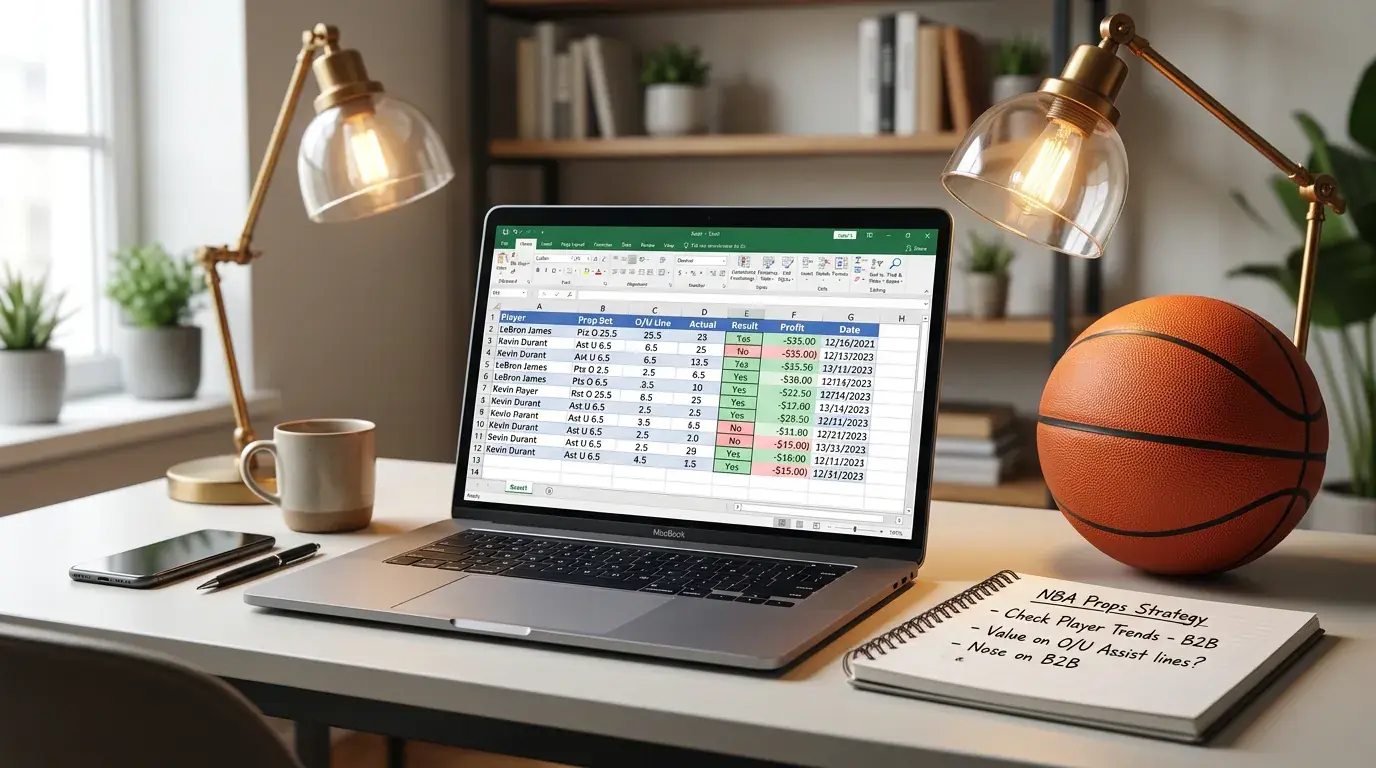
Track your results on back-to-back related bets separately from your general record. Over time, this data reveals whether you have edge in fatigue situations or whether your adjustments are already priced into markets. Without tracking, you cannot know if your fatigue analysis actually produces profit or just feels analytically sophisticated.
Created by the ”nba Bets Props” editorial team.