NBA First Quarter Props: Pricing Early Game Betting Markets
 Available in US
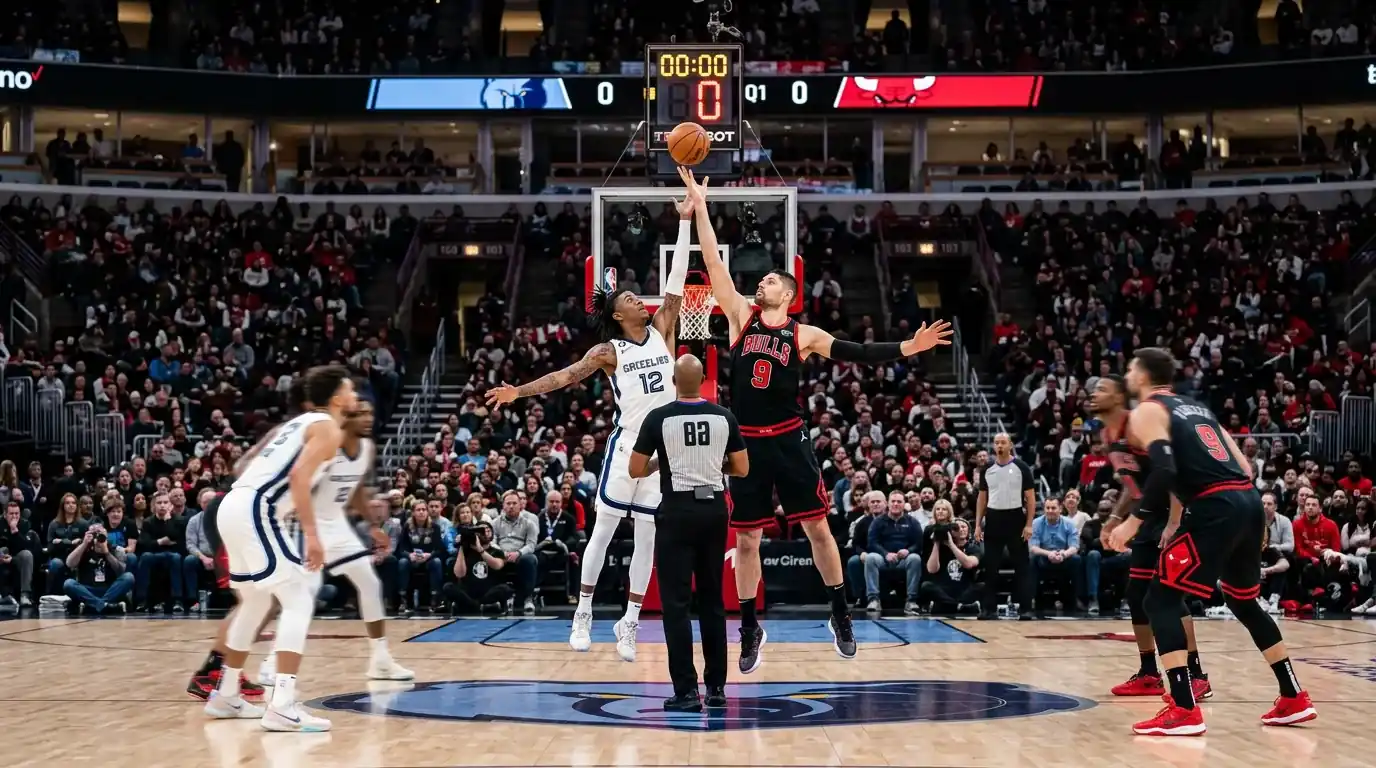
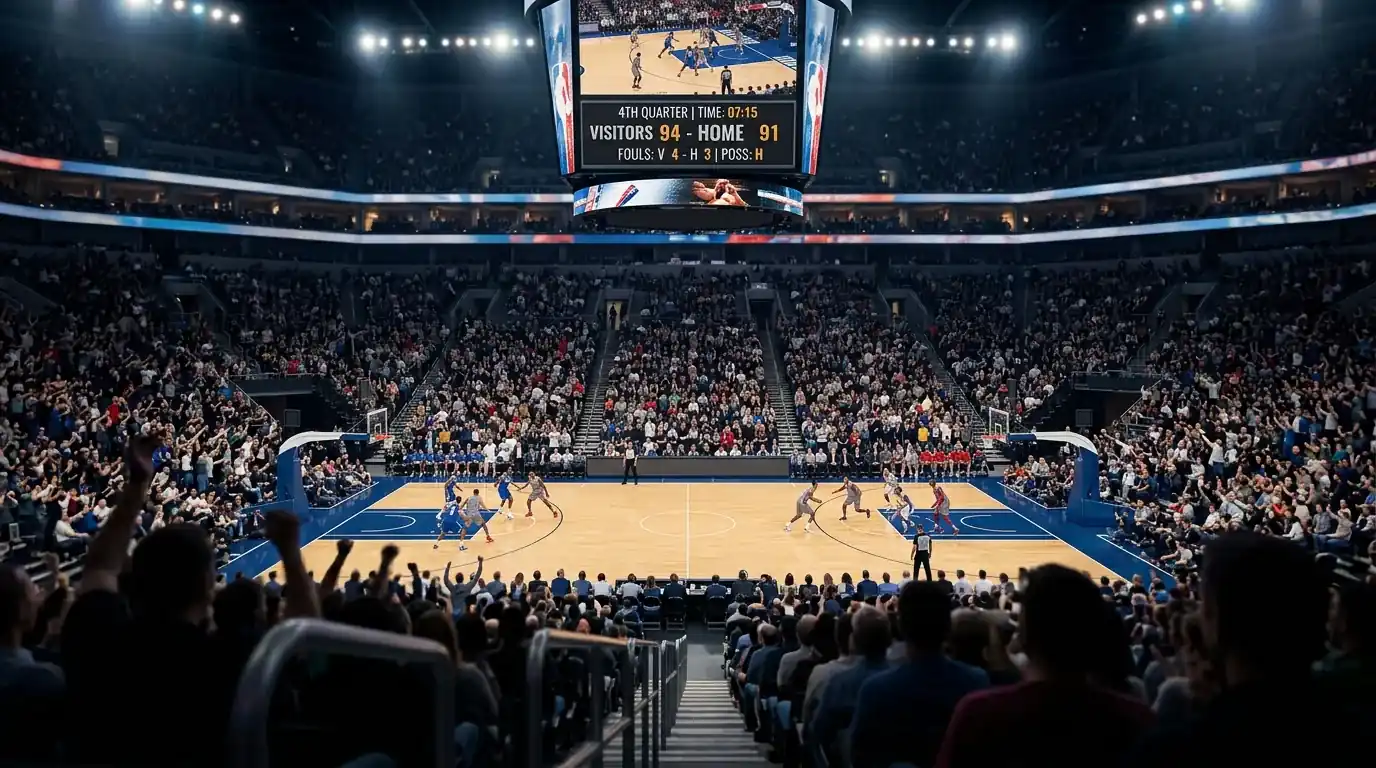
Live and in-play betting represented 62.35% of online betting market share in 2025, and first quarter props sit at the intersection of pre-game and live markets. You bet before tip-off but results arrive within 12 minutes. That compressed timeframe creates unique dynamics – high variance, quick resolutions, and opportunities distinct from full-game props. After years of treating quarter props as a novelty, I have developed specific approaches that exploit their particular characteristics.
First quarter props attract less analytical attention than full-game markets. Sharp bettors focus their energy where stakes and volume justify the effort, leaving quarter props relatively inefficient. For UK bettors who might only have bandwidth to follow the first quarter before sleep calls, these markets offer genuine edge opportunities without requiring full-game commitment.
Analyzing Early Variance in First Quarter Props
Quarter props function identically to full-game props but with time-limited scope. You bet over or under on a player’s first quarter statistics only. Points, rebounds, and assists are the primary offerings, with some sportsbooks adding threes or combined stats for marquee games.
Lines scale proportionally smaller than full-game equivalents. A player with a full-game points line of 24.5 might see a first quarter line around 6.5. This scaling assumes roughly equal distribution across quarters, which does not always hold true. Some players start fast; others build into games. Historical quarter splits reveal these patterns.
Resolution comes quickly – roughly 25 minutes from tip-off including stoppages. This speed appeals to bettors who want fast feedback loops. But it also means variance manifests immediately. A player who typically scores 6-7 first quarter points might score 2 or 12 on any given night with little time to regress toward expected values.
UK sportsbooks vary in their first quarter props offerings. Major operators like bet365 typically provide quarter markets for high-profile games. Less prominent matchups might only offer full-game props. Check availability for specific games rather than assuming quarter markets exist universally.
Starter Minutes in the First Quarter
Understanding rotation patterns unlocks first quarter props analysis. Starters typically play 10-11 of the first quarter’s 12 minutes, sitting only during brief rotation periods. This near-complete participation means first quarter minutes are more predictable than later quarters where game flow affects substitutions.
The first substitution usually occurs around the 6-minute mark when coaches insert bench players. Starters return around 2-3 minutes remaining. This pattern means starters accumulate most of their first quarter stats in two distinct stretches rather than continuously. Fast starts before the first substitution matter disproportionately.
Some coaches deviate from standard patterns. Certain teams bring starters back earlier or rest them longer depending on matchups and game situations. Learning team-specific rotation tendencies helps project first quarter minutes more accurately than assuming league-wide patterns apply uniformly.
Injury and foul trouble throw all rotation assumptions out the window. A starter who picks up two quick fouls might sit for extended first quarter time, devastating his prop. Foul trouble risk is another variance layer unique to quarter props – it affects first quarters as much as any other but with less time to recover.
Variance Factors in Quarter Props
First quarter variance exceeds full-game variance dramatically. Statistical outcomes across 12 minutes depend heavily on small sample variations. A player averages 6 points per first quarter might genuinely project there but finish with 2 or 11 regularly simply because limited opportunities amplify randomness.
Shot distribution matters more in compressed timeframes. A player who takes 6 shots in a quarter might make anywhere from 1 to 5 depending on how the ball bounces. That 1-5 range translates to a 2-10 point range assuming no free throws. Full games smooth this variance through volume; quarters do not.
Team pace affects first quarter stats less than full-game stats because quarter length is fixed. Both fast and slow teams play the same 12 minutes. Pace differences manifest more in total possessions than in first quarter production specifically. This means pace analysis matters less for quarter props than for full-game equivalents.
Defensive matchups can dominate quarter outcomes when excellent defenders match up immediately against props targets. A full game offers opportunities to exploit mismatches that develop; a first quarter might simply feature the opponent’s best defender for the entire stretch. Consider defensive matchups more heavily for quarter props.
Strategies for First Quarter Betting
Focus on fast starters – players whose historical first quarter splits exceed what proportional scaling would suggest. Some players genuinely score a higher percentage of their points early before defences adjust. These patterns persist across seasons because they reflect playing style rather than randomness.
Target blowout potential for first quarter unders. When a significant favourite dominates early, both teams often empty benches earlier than usual. Starters whose first quarter might have produced normal stats exit with reduced totals. This effect is harder to capture in full-game betting but manifests quickly in quarters.
Avoid quarter props on players whose production varies dramatically game to game. High-variance players in full-game contexts become extreme-variance players in quarter contexts. A consistent 6-point first quarter scorer is a better quarter prop target than an explosive player who might score 2 or 14 with equal probability.
Parlay quarter props cautiously if at all. The already-high variance compounds when you link multiple quarter outcomes. Two 55% plays combined into a parlay become a 30% play where small sample variance on either leg costs you the entire bet. Single-bet quarter props manage variance better than combinations.
First Quarter Props FAQ
Are first quarter props available in UK?
Major UK sportsbooks offer first quarter player props for high-profile NBA games. Availability varies by operator and game importance – marquee matchups feature more quarter markets than routine games. Check your specific sportsbook for each game rather than assuming quarter props are universally available.
How are 1Q props lines set?
First quarter lines typically scale proportionally from full-game lines. A player with a 24.5 full-game points line might see a 6.5 first quarter line. However, historical quarter splits can reveal players who score disproportionately early or late. Sophisticated bettors compare proportional lines against actual first quarter performance patterns.
Is there value in quarter props?
Quarter props attract less sharp attention than full-game markets, creating relative inefficiencies. The high variance makes individual outcomes less predictable, but that same variance means pricing errors are common. Value exists particularly for players with distinctive first quarter patterns – fast starters whose lines do not reflect their early-game tendencies.
A Niche Within a Niche
First quarter props represent specialised territory even within the already-specialised world of NBA player props. The variance is brutal. The analysis is less developed. The markets are thinner. But for UK bettors who want action without full-game commitment, or who see opportunities that full-game markets have priced away, quarter props offer a distinct path to edge.
I treat quarter props as supplementary rather than primary. They add variety to my betting without replacing the more predictable full-game analysis that forms my foundation. The quick resolution appeals on nights when I cannot commit to watching full games – I get my answer before midnight rather than waiting until 2am for a final buzzer.
Start with small stakes on quarter props while you learn their particular rhythms. The variance can shock bettors accustomed to full-game outcomes. A run of losses that would be unusual in full-game betting might be perfectly normal in quarter contexts. Calibrate your expectations to the timeframe, size your bets accordingly, and let quarter props become one tool among many rather than a primary betting focus.
Created by the ”nba Bets Props” editorial team.