NBA Props Seasonal Trends: Adjusting Bets for Calendar Shifts
 Available in US

Basketball betting continues to show the fastest compound annual growth rate among major sports heading into 2030, partly because the NBA’s long season creates abundant betting opportunities. But that length also means the game changes throughout the year. November basketball differs from February basketball differs from April basketball. Recognising these seasonal patterns helps you adjust props analysis as the calendar progresses.
My first few seasons, I applied the same approach year-round and watched results fluctuate mysteriously. Some months I crushed it; others I struggled despite similar analysis quality. Eventually I realised the sport itself was changing – intensity levels, rest patterns, defensive effort, all shifting as the season evolved. Adapting to these shifts rather than fighting them improved my consistency dramatically.
Betting on Early Season NBA Prop Inefficiencies
October and November basketball features teams finding their identities. New players integrate, coaches experiment with rotations, and playing styles stabilise over time. Props lines during this period often rely heavily on previous season data that may not reflect current reality.
Shooting percentages typically start low and rise as players find rhythm. The three-point shooting percentages league-wide in the first month often trail full-season averages by 1-2 percentage points. Points props that assume typical efficiency might disappoint early when shots are not falling yet.
Minutes distributions are less predictable early. Coaches have not yet settled on rotations, meaning minute projections carry extra uncertainty. A player projected for 32 minutes based on preseason expectations might play anywhere from 26 to 38 as his coach evaluates options. This variance affects all counting stat props.
Early-season lines for new players on new teams present opportunities. A star who changed teams via free agency or trade faces a learning curve that markets sometimes underestimate. Conversely, markets might underrate players who benefit from new opportunities created by roster changes elsewhere. Watch for new contexts that create value.
The Midseason Grind
December through February represents the grind – games pile up, bodies wear down, and effort levels fluctuate based on opponent quality and schedule density. Teams on long road trips or facing their fourth game in six nights show fatigue effects that props lines might not fully capture.
Load management intensifies midseason as teams balance current results against playoff readiness. Stars sit out back-to-backs or take occasional rest games that create DNP voids. The unpredictability of these rest decisions adds uncertainty to star props even when the player is healthy.
Defensive intensity varies by game importance. A regular season game between a contender and a lottery team sees different effort than a matchup between playoff rivals. Props that assume consistent defensive pressure might miss when games effectively mean less to one team.
Trade deadline speculation affects players from December onward. Players who might be traded see shifted roles – some get more opportunities as teams evaluate them, others see reduced minutes as teams protect assets. After the deadline, acquired players adjust to new systems while remaining players absorb changed roles.
Stretch Run Adjustments
March and April see diverging approaches. Contenders might rest players with playoff positioning secured. Tanking teams bench veterans to develop youth and improve draft position. Playoff-bubble teams play maximum intensity as every game matters for postseason inclusion.
These strategic differences create distinct betting environments depending on team context. A star on a team locked into playoff seeding might have his minutes reduced specifically to stay healthy. His props lines might not adjust fully for this context until the market observes it repeatedly.
Young players see elevated opportunities late in the season. Teams out of contention give extended minutes to developing players, evaluating their readiness for future seasons. These young players often exceed modest props expectations because lines lag behind their escalating opportunities.
Pace changes late in the season for some teams. Teams locked into positions sometimes play faster, gambling more freely with nothing to lose. Teams fighting for positioning might slow down to reduce variance in outcomes. Track pace trends for teams in different competitive positions.
Playoff Transition
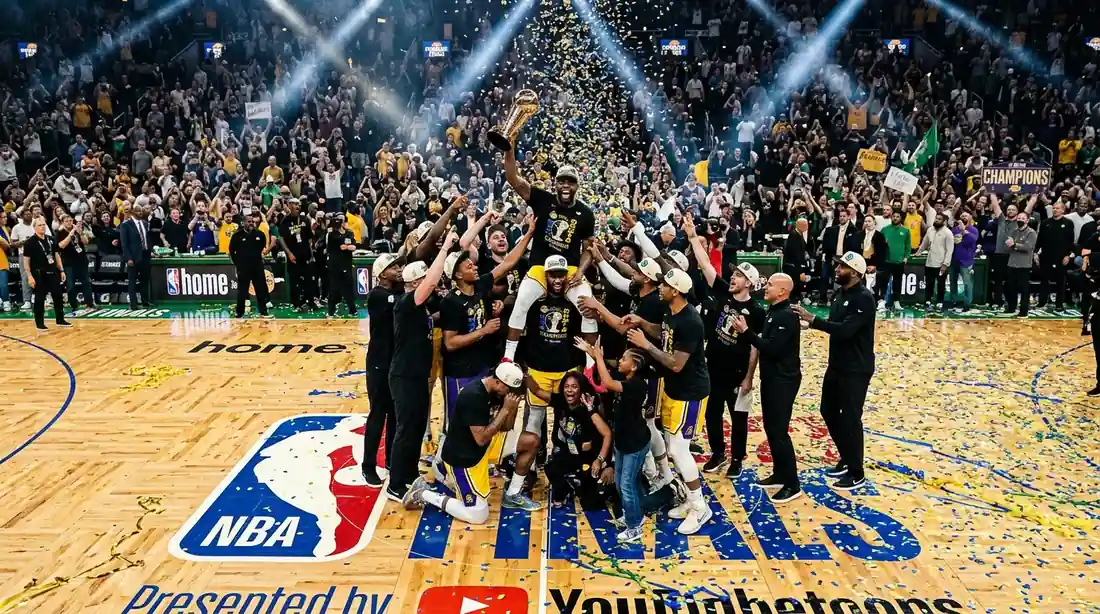
The shift from regular season to playoffs requires complete analytical recalibration. Every pattern from the regular season partially breaks down when games start counting differently. Preparation is more thorough, defences are tighter, rotations are shorter, and stars play extended minutes.
Lines often adjust slowly to playoff realities in the first round. Markets set based on regular season data underestimate how much playoff basketball differs. This creates value windows early in the postseason for bettors who anticipate the adjustments before lines catch up.
Rest advantages matter enormously in playoffs. A team that swept the previous round enters the next series fresher than one that ground through seven games. These fatigue imbalances affect props in ways regular season conditioning rarely does. Factor in rest differential when teams at different recovery stages meet.
Historical playoff performance informs current expectations differently than regular season history. Some players elevate in playoffs, consistently exceeding their regular season production. Others shrink under pressure, falling short of lines that their regular season would support. Track player-specific playoff patterns separately from season-long data.
NBA Props Seasonal Trends FAQ
How does NBA props betting change by season?
Early season features unstable rotations and shooting that has not yet found rhythm. Midseason brings load management and varied intensity based on game importance. Late season sees diverging approaches based on team competitive position. Playoffs bring shorter rotations, elevated intensity, and fundamentally different basketball. Adapt your analysis to each period’s characteristics.
Are there calendar patterns for betting props?
Yes, predictable patterns emerge through the season. Shooting percentages start low and rise. Minutes distributions stabilise as rotations settle. Load management increases midseason. Strategic divergence between contenders and non-contenders intensifies late. Playoffs bring systematically different conditions. Recognising these patterns helps adjust projections appropriately.
When is the best time to bet NBA props?
Value appears throughout the season but in different forms. Early season offers mispriced new situations and unstable lines. Midseason offers fatigue and schedule-based edges. Late season offers strategic positioning effects. Playoffs offer systematic adjustments markets price slowly. There is no universally best time – rather, different opportunities appear in each phase.
Adapting Through the Calendar
The NBA season is not one long stretch of identical basketball. It is several distinct phases, each with its own rhythms and patterns. Bettors who recognise this and adjust their approach outperform those who apply static analysis year-round.
Build seasonal awareness into your process. Note where you are in the calendar when evaluating any bet. Consider what phase-specific factors might affect the game you are analysing. Let your approach evolve as the season evolves. The props market rewards adaptability, and understanding seasonal patterns is fundamental to betting the full basketball year successfully.
Keep notes throughout the season about what you observe. When early-season lines seem consistently mispriced in certain directions, record that pattern. When midseason fatigue creates betting opportunities you identify, document them. These observations accumulate into genuine edge for future seasons. The patterns repeat because they reflect structural features of how the NBA schedule works.
Review your results by season phase to identify where you perform best. Some bettors excel early when markets are unsettled. Others thrive in playoffs when analysis gets rewarded more consistently. Understanding your seasonal strengths helps allocate time and bankroll toward your highest-edge periods while maintaining discipline through phases where your edge runs thinner.
Prepared by the nba Bets Props editorial staff.