NBA Star Player Props: Pricing Elite Talent Betting Markets
 Available in US
Alex Selesnick from PropStarz built a 490-353 record on NBA props generating 75.73 units of profit. When I studied his betting patterns, I noticed he did not shy away from star player props despite conventional wisdom that these markets are most efficiently priced. The key was selectivity – not betting stars constantly, but identifying specific situations where even efficiently-priced star markets offered genuine value.
Star player props attract the most attention, the most betting volume, and therefore the tightest pricing. Markets for LeBron James or Nikola Jokić receive more scrutiny than markets for role players on mediocre teams. This efficiency creates a paradox: everyone knows star markets are sharp, so many bettors avoid them entirely, which sometimes allows inefficiencies to persist because everyone assumes someone else is correcting them.
Before backing a superstar, you must analyze how injuries affect NBA props lines, especially when key rotation players are sidelined.
Analyzing Betting Volume on NBA Star Players
The NBA generates approximately 1.7 billion dollars in revenue boost from legal sports betting, and star players drive a disproportionate share of that volume. Casual bettors want action on names they recognise. This demand shapes how sportsbooks approach star pricing.
High volume means high liquidity, which generally means efficient prices. More money betting both sides forces sportsbooks to sharpen their lines to balance action. Star player props tend to be priced more accurately than role player props simply because more attention goes toward getting them right.
But efficiency is not perfection. Stars face unique circumstances that standard models might miss. Load management patterns, undisclosed minor injuries, personal matters, or motivational factors can affect performance in ways that pure statistical models do not capture. These qualitative factors create opportunities in otherwise efficient markets.
Public bias toward stars cuts both ways. Recreational bettors love betting overs on stars – they want to watch great players score lots of points and root for them to exceed expectations. This bias sometimes inflates over prices, creating value on unders. But sportsbooks know this bias exists and often shade star lines accordingly, making simple “fade the public” strategies unreliable.
Value Opportunities with Stars
Rest situations create the clearest star player value. When a star returns from rest or sits unexpectedly, markets may not adjust fully. A player who sat the previous game might come out aggressive, exceeding a line that reflects his season average rather than his rested state. Conversely, a player who played heavy minutes recently might underperform a line that ignores fatigue accumulation.
Matchup factors matter more for stars than role players because defences game-plan specifically against elite scorers. A star facing a team known for elite perimeter defence might be schemed against in ways that suppress his typical production. When his line does not reflect this defensive attention, unders gain value.
Revenge and rivalry games see stars elevate their performance beyond statistical baselines. A player facing his former team, or playing against a personal rival, often delivers performances that exceed what models predict. These motivational factors are difficult to quantify but real enough to affect outcomes.
Blowout risk cuts both ways for star props. In games with large projected margins, stars on the favoured team might exit early with reduced stats. Stars on underdog teams might pad stats in garbage time or see reduced effort from opponents. Game total and spread context informs how a star’s props might resolve regardless of his ability.
Risk Factors for Star Props
Load management has become standard practice for elite players, particularly during the regular season. Teams rest stars unpredictably, sometimes announcing it game day. A bet placed on a star who ends up sitting is typically voided, but uncertainty about playing status adds friction to star betting that does not exist for role players expected to play every game.
Stars draw constant double teams and defensive attention that role players avoid. When a star heats up, defences adjust mid-game in ways that suppress continued production. A player who scores 15 first-half points might struggle to reach 25 as defences key on him more intensively after the break. This in-game adjustment limits how high stars typically score.
Referee attention affects stars differently than role players. Star calls – preferential whistles for elite players – exist but vary by game and crew. Some nights a star gets to the line repeatedly; other nights similar contact goes uncalled. This variance affects points props particularly when free throws represent a significant scoring source.
Minutes certainty differs by team situation. Stars on contenders often see managed minutes, particularly in comfortable wins or during the regular season. Stars on struggling teams might play extended minutes but face different game contexts that affect prop outcomes. Understanding the team situation helps project star minutes more accurately.
Get the most accurate expert NBA props analysis to identify soft lines before the bookmakers adjust them.
Analysing Star Performance Patterns
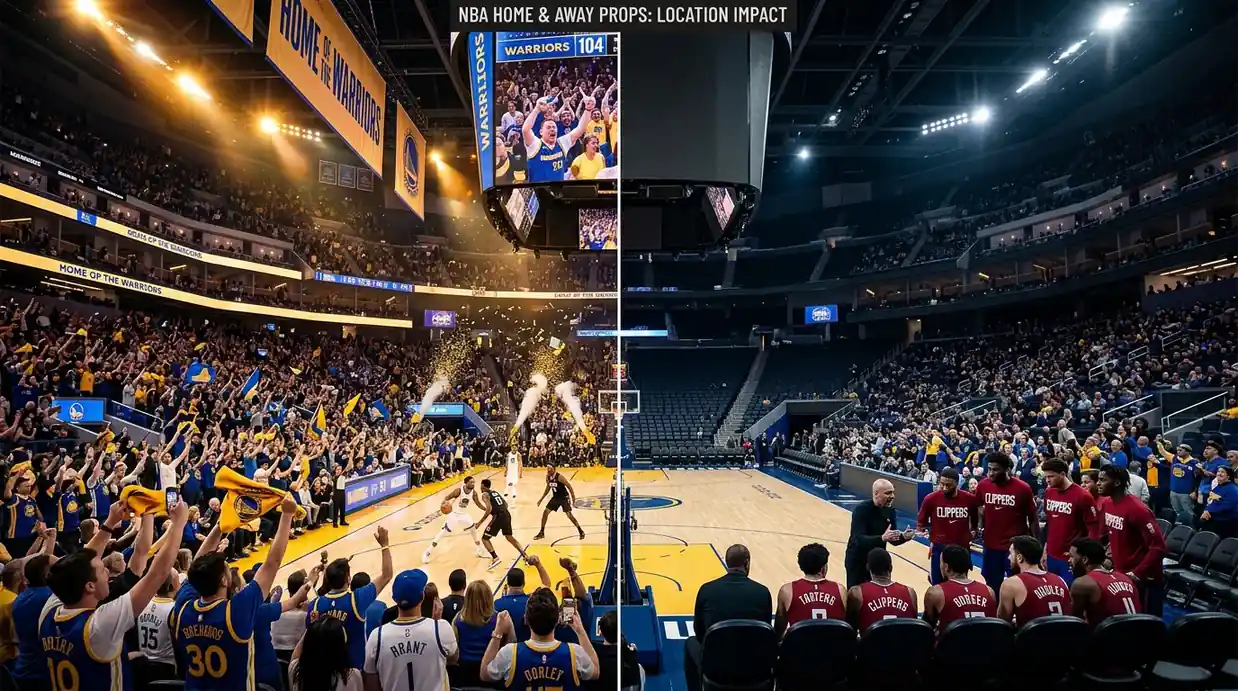
Track individual stars’ tendencies across different situations. Some players perform consistently regardless of opponent; others show dramatic variation based on matchup quality. Some players exceed their lines at home far more than on the road; others show no venue effect. These patterns reveal where value might exist for specific stars in specific contexts.
Recent form matters but should not be overweighted. A star on a five-game scoring streak might be genuinely hot, or might be due for regression as defences adjust. Similarly, a star in a mini-slump might be poised to break out or might be working through fatigue or minor injury. Use recent form as one input rather than the primary driver of star prop evaluation.
Compare star lines across sportsbooks because these markets sometimes show meaningful price variation. While role player markets might be set-and-forget for sportsbooks, star markets receive continuous adjustment as money flows in. Different books receive different action flows, creating line discrepancies that shoppers can exploit.
Props projections for stars should incorporate their team context. A star whose teammates are injured might see elevated usage that pushes his production higher despite increased defensive attention. A star with healthy teammates might see reduced opportunities but better shot quality. Team health affects star props in ways that player-focused analysis might miss.
Star Player Props FAQ
Are NBA star player props worth betting?
Star props can offer value despite being efficiently priced. Opportunities arise in rest situations, specific matchups, rivalry games, and contexts where qualitative factors affect performance in ways models miss. Selectivity matters – betting stars situationally rather than constantly captures value when it exists while avoiding typically sharp markets when it does not.
Why do star props have tighter odds?
Star player markets receive more betting volume and analytical attention than role player markets. This scrutiny forces sportsbooks to price star props more accurately to balance action. Higher liquidity means tighter margins. The same efficiency that makes star markets sharp also makes finding value more difficult but not impossible.
Should I bet unders on stars?
Public bias tends toward overs on star players, which sometimes inflates over prices and creates under value. However, sportsbooks recognise this bias and often shade lines accordingly. Unders gain genuine value in specific situations – tough defensive matchups, blowout risk, fatigue factors, or opponent defensive schemes designed specifically to limit the star.
Selective Star Betting
I bet star props selectively rather than avoiding them entirely. The efficiency of these markets means casual betting produces thin expected value at best. But specific situations – matchups, rest patterns, revenge games, team context – create windows where even efficiently-priced markets offer edge. Identifying those windows and betting only when they appear produces better results than either ignoring stars completely or betting them constantly.
The mental shift required is treating star props as occasional opportunities rather than routine wagers. When your analysis reveals a clear reason why a star might exceed or fall short of his line in ways the market has not fully priced, bet it. When no such reason exists, move on to markets where your edge is clearer. Stars get attention for good reason – the trick is betting them only when that attention has missed something.
Published by the nba Bets Props team.